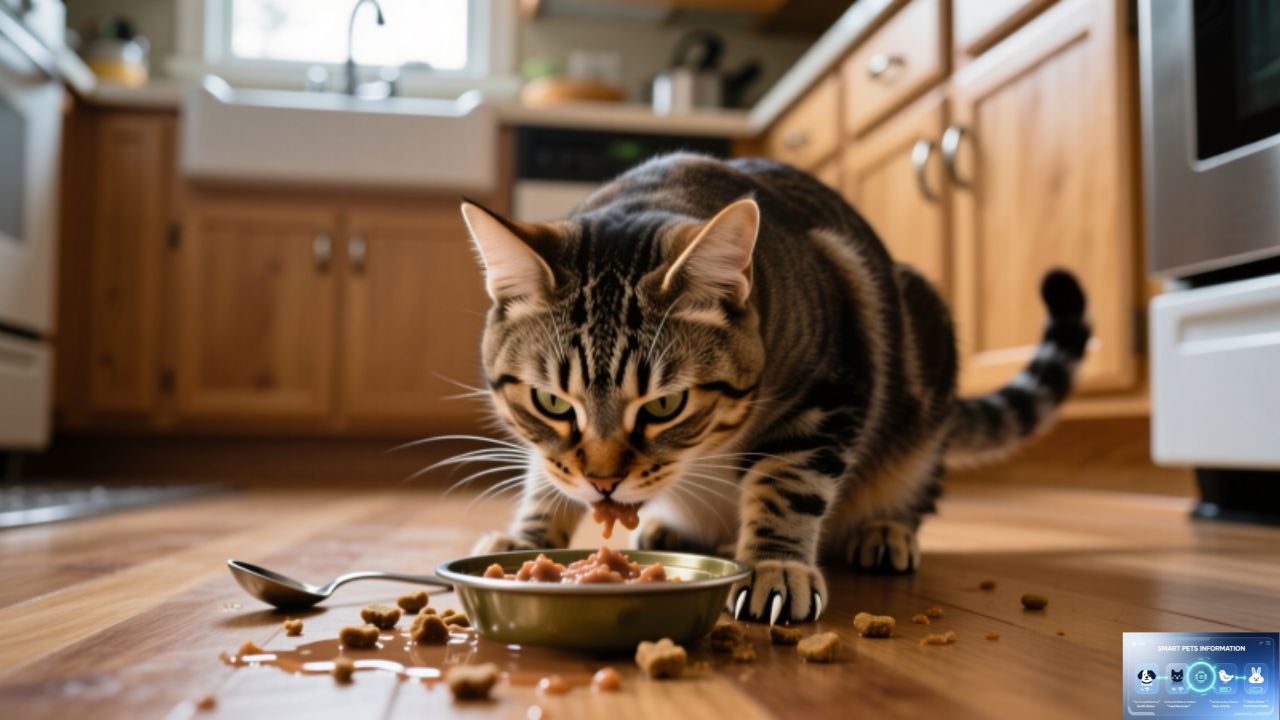
Does your sweet cat suddenly turn intense at dinner time? cat food aggressive behavior often shows up as food aggression in cats, resource guarding, aggressive behavior during feeding, food bowl guarding, begging for food, vocalizing excessively, stealing food, and constant food competition that worries loving owners.
If you wonder why my cat is food aggressive, you are not alone. cat food aggressive behavior can grow from stress induced cat aggression, multi cat household feeding issues, meal feeding frustration, hyperthyroidism in cats, dental pain and aggression, or poor feeding routines. Keep reading to learn how to manage it safely.
What Is Cat Food Aggressive Behavior?
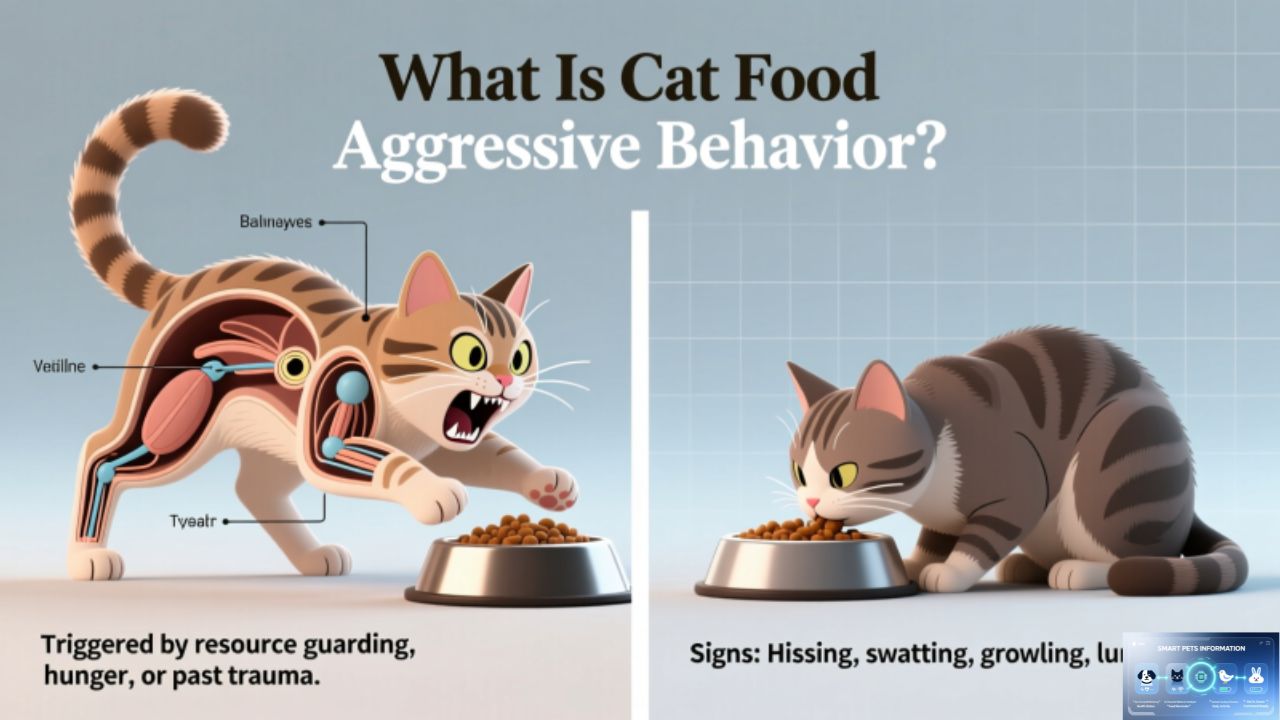
- Cat food aggressive behavior describes when cats show aggression, resource guarding, and aggression during feeding times.
- It often appears as cats growling at bowls, becoming aggressive around food, and competing during meals.
- Many owners ask why my cat is food aggressive when feeding time triggers sudden defensive behavior.
- This behavior links to stress induced cat aggression, diet related aggression, and frustration from feeding routines.
- Cats may become obsessed with food, guarding bowls, stealing food, and vocalizing excessively before meals.
- Food competition in multi cat homes can cause aggressive behavior toward humans or other cats.
- Past experiences like feral cat behavior or premature weaning effects strongly shape food related aggression.
- Medical issues including hyperthyroidism in cats, dental pain and aggression can worsen feeding time reactions.
- Some cats develop psychogenic abnormal feeding behavior where anxiety and learned habits drive food obsession.
- Understanding cat food aggressive behavior helps owners manage aggressive cat behavior safely and confidently daily.
- Cats prefer to eat alone, so shared feeding spaces often trigger defensive responses and stress.
- With quality cat food, diet modification, and small frequent meals, aggression can be reduced naturally.
Signs of Food Aggression in Cats You Should Never Ignore
- Your cat growls when eating, guards the food bowl, and shows aggressive behavior during feeding.
- Sudden food obsession where my cat is always hungry and becomes aggressive around food daily.
- Hissing, swatting, or attacking when food is present signals serious food aggression in cats behavior.
- Stealing meals, counter surfing, and rummaging through garbage point to diet related aggression issues early.
- Excessive begging and vocalizing at mealtime often show stress induced cat aggression behaviors clearly emerging.
- Food bowl guarding and chasing pets away reveal food competition in multi cat households situations.
- A cat that attacks humans during feeding may be showing fear driven food aggression patterns.
- Meal feeding frustration causes cats to turn aggressive at mealtime despite otherwise gentle behavior normally.
- Poor feeding routines combined with stress triggers can escalate cat behavior problems quickly for owners.
- Health issues like hyperthyroidism in cats or dental pain can spark aggression around food suddenly.
- Kittens affected by premature weaning effects may develop lifelong food aggression patterns later on behavior.
- Cats obsessed with food often struggle to eat alone and react defensively during meals times.
Cat Food Aggressive Behavior Toward Humans
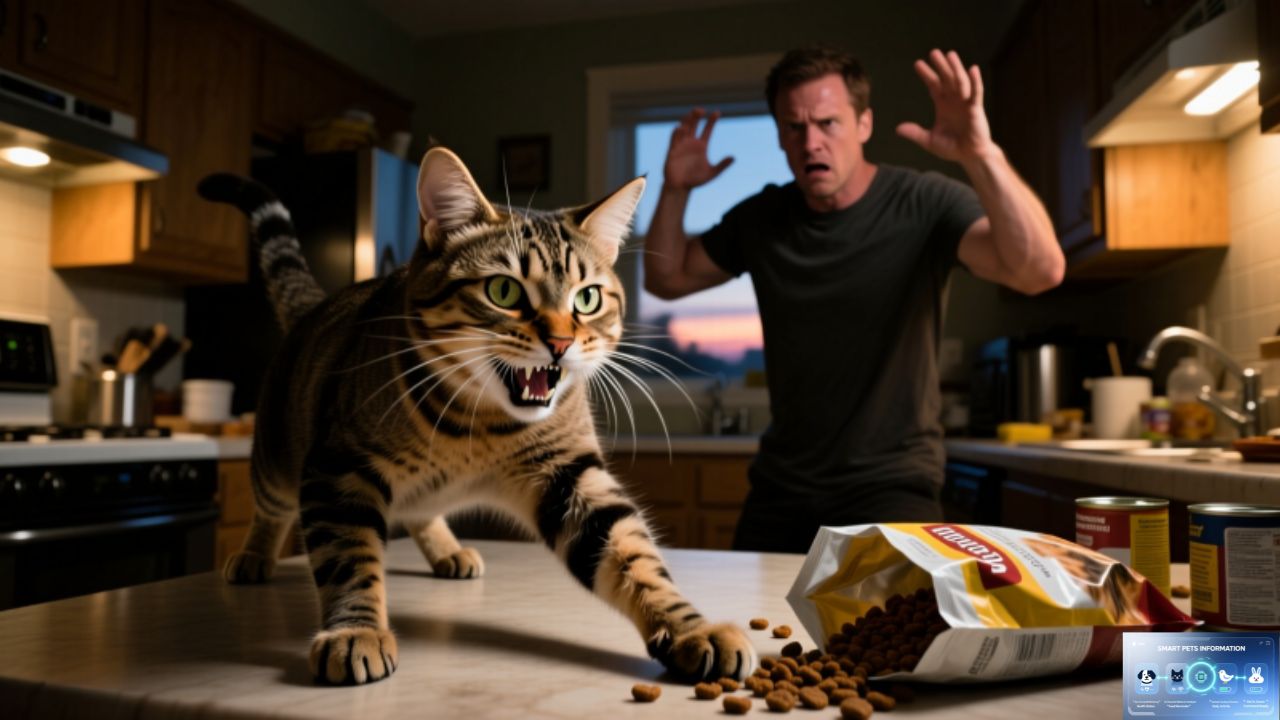
- Cats can show aggressive behavior during feeding when stress, poor feeding routines, and food obsession combine.
- Food aggression in cats often appears as growling or swatting at humans near their food bowl.
- A cat obsessed with food may become defensive and attack humans if meals are delayed or interrupted.
- Stress-induced cat aggression can cause sudden food-related attacks toward humans in multi-cat households.
- Diet-related aggression often triggers cats to vocalize excessively or guard their food bowl from people.
- Begging for food constantly reinforces a cat’s aggressive behavior toward humans during mealtime interactions.
- Cats experiencing nutrition imbalance or low-quality cat food may redirect frustration toward nearby humans.
- Psychogenic abnormal feeding behavior (PAFB) sometimes results in aggressive actions toward humans during feeding.
- Feeding cats separately and giving smaller, frequent meals can reduce aggression toward humans safely.
- Dental pain or hyperthyroidism may make cats defensive, increasing the likelihood of aggression toward humans.
- Resource guarding combined with poor feeding schedules often causes cats to attack humans at mealtime.
- Understanding cat behavior problems helps manage aggressive behavior toward humans while strengthening trust and care.
Why Is My Cat Suddenly Food Aggressive?
- Sudden food aggression in cats can stem from stress, meal feeding frustration, or multi-cat household feeding issues.
- A cat may become aggressive at mealtime due to past deprivation, premature weaning effects, or food competition.
- Health issues like hyperthyroidism or dental pain can make your cat suddenly aggressive during feeding times.
- Cats often growl or attack when food is present because of psychogenic abnormal feeding behavior (PAFB).
- Poor feeding routines and inconsistent meal schedules may trigger sudden aggressive behavior around food bowls.
- Food obsession and excessive vocalizing often indicate why your cat is suddenly food aggressive at home.
- Stress-induced cat aggression from moving, new pets, or environmental changes can cause mealtime aggression suddenly.
- Multi-cat households can create resource guarding, causing a previously calm cat to become suddenly aggressive.
- Nutrition imbalance or low-quality cat food may fuel your cat’s sudden food aggressive tendencies.
- Small, frequent meals and high-quality cat food benefits can help prevent sudden aggressive behavior.
- Cats that steal food, rummage through garbage, or beg excessively may be showing sudden food aggression.
- Understanding your cat’s instincts, stress triggers, and hunting behaviors explains why sudden food aggression occurs.
Common Causes of Food Aggression in Cats
- Premature weaning or early food deprivation can trigger food aggression, causing cats to guard bowls protectively.
- Outdoor or feral cats often develop food aggression from past survival struggles and inconsistent feeding experiences.
- Stress from moving homes, multi-cat households, or routine changes can increase aggressive behavior during feeding.
- Meal feeding frustration occurs when cats are fed limited portions, clashing with natural hunting instincts.
- Reinforcement of begging or vocalizing excessively can unintentionally teach cats that aggression earns food rewards.
- Health issues like hyperthyroidism or dental pain may cause cats to act aggressively while eating.
- Psychogenic abnormal feeding behavior (PAFB) can develop from early stress, leading to obsession with food.
- Poor feeding routines or nutrition imbalance often cause cats to compete for limited food, increasing aggression.
- Multi-cat household feeding issues intensify competition, making cats more likely to guard food aggressively.
- Cats preferring to eat alone may display aggression when their personal space is invaded during meals.
- Low-quality or inappropriate cat food can heighten irritability, contributing to aggressive behavior around mealtime.
- Lack of mental stimulation or food puzzles can result in boredom-driven aggression during feeding periods.
How to Stop Food Aggression in Cats Safely
- Feed cats smaller, frequent meals to mimic natural hunting instincts and reduce feeding time aggression effectively.
- Reinforce calm behavior during mealtime and ignore begging for food to prevent reinforcing aggressive habits.
- Separate pets during feeding to minimize food competition and multi-cat household feeding issues safely.
- Use high-quality cat food and diet modification to address nutrition imbalance and reduce obsession with food.
- Provide food puzzles to encourage mental stimulation while preventing cat attacks when food is present.
- Reward positive behavior with attention, not treats, to stop my cat from being food aggressive.
- Place food bowls in quiet, low-traffic areas to reduce stress-induced cat aggression during feeding.
- Gradually desensitize cats to humans near the bowl to manage cat food aggressive behavior safely.
- Monitor health issues like hyperthyroidism or dental pain, which can trigger defensive food aggression.
- Maintain consistent feeding schedules to prevent meal feeding frustration and reduce cats becoming aggressive around food bowls.
- Avoid giving in to vocalizing excessively, teaching cats that begging for food will not succeed.
- Encourage small, frequent meals with interactive play to reduce stress and safely manage cat food aggression.
How to Stop Food Aggression in Kittens Early
- Start early by feeding kittens small frequent meals to prevent meal feeding frustration and aggressive behavior.
- Separate feeding areas reduce food competition and help kittens learn calm eating habits from an early age.
- Using high-quality cat food supports nutrition balance and minimizes stress induced food aggression in kittens.
- Positive reinforcement teaches kittens to remain calm around food, reducing begging and food obsession behaviors.
- Avoid giving in to constant meowing to prevent psychogenic abnormal feeding behavior from developing.
- Introduce food puzzles to engage kittens’ hunting instincts and decrease aggression toward humans or other pets.
- Monitor kittens for early signs of resource guarding to address food aggression before it escalates.
- Consistent meal routines help kittens understand when and where to eat, reducing multi-cat household stress.
- Early intervention in kittens with hyperthyroidism or dental pain prevents defensive food aggression later.
- Reinforce gentle behavior with praise, ignoring aggressive gestures around food to manage aggression safely.
- Gradually socialize kittens to other pets during mealtime, minimizing stress induced cat aggression.
- Implement diet modification with balanced meals to encourage healthy eating habits and reduce early food obsession
Expert Tips to Manage and Prevent Food Aggression in Cats
- Offer small, frequent meals to mimic natural hunting patterns, reducing meal feeding frustration and stress-induced cat aggression.
- Feed cats separately in multi-cat households to prevent resource guarding, food competition, and aggressive behavior during feeding.
- Use high-quality cat food to address nutrition imbalance and promote healthy, calm mealtime behavior in your cat.
- Reward calm behavior with attention rather than food to manage food obsession and reduce begging for food.
- Introduce food puzzles to encourage mental stimulation and redirect cat food aggressive behavior toward productive play.
- Avoid reinforcing aggressive mealtime behavior; consistent routines help reduce stress triggers and psychogenic abnormal feeding behavior.
- Monitor health issues such as hyperthyroidism in cats or dental pain to prevent aggression during feeding.
- Create a quiet, low-traffic feeding area to minimize stress-induced cat aggression and improve overall feeding experience.
- Gradually modify diet using diet modification strategies to reduce sudden food aggression and meal feeding frustration.
- Observe signs of food aggression in cats early to intervene before behaviors escalate toward humans or other pets.
- Implement small, manageable changes consistently to help cats adapt, promoting long-term reduction of aggressive feeding behavior.
- Consult a veterinarian or cat behavior expert to safely manage and prevent cat food aggressive behavior effectively.
Frequently Asked Questions:
How do I stop my cat’s food aggression?
Feed smaller, frequent meals, separate pets during feeding, provide high-quality cat food, reward calm behavior, and minimize stress consistently.
Can cat food affect behaviour?
Yes, poor-quality or unbalanced cat food can lead to diet-related aggression, irritability, and stress-induced cat behavior problems.
What to give my cat for aggressive behavior?
Offer high-quality cat food, small frequent meals, food puzzles, and consider supplements like tryptophan to help reduce stress and aggression.
Do cats get aggressive when eating?
Yes, cats may show food aggression due to resource guarding, stress, multi-cat competition, health issues, or early-life feeding experiences.
Final Thought
Ever wondered cat food aggressive behavior is more than just a quirky habit? From resource guarding and food aggression in cats to diet-related aggression and feeding time frustration, understanding why your cat turns aggressive at mealtime helps you respond with patience, care, and strategy.
Addressing cat food aggressive behavior effectively involves strategies like small frequent meals, food puzzles for cats, high-quality cat food, and feeding cats separately. By reducing stress-induced cat aggression and reinforcing positive habits, you can create a calmer, happier mealtime experience for both your furry friend and your household.
Leave a Reply