
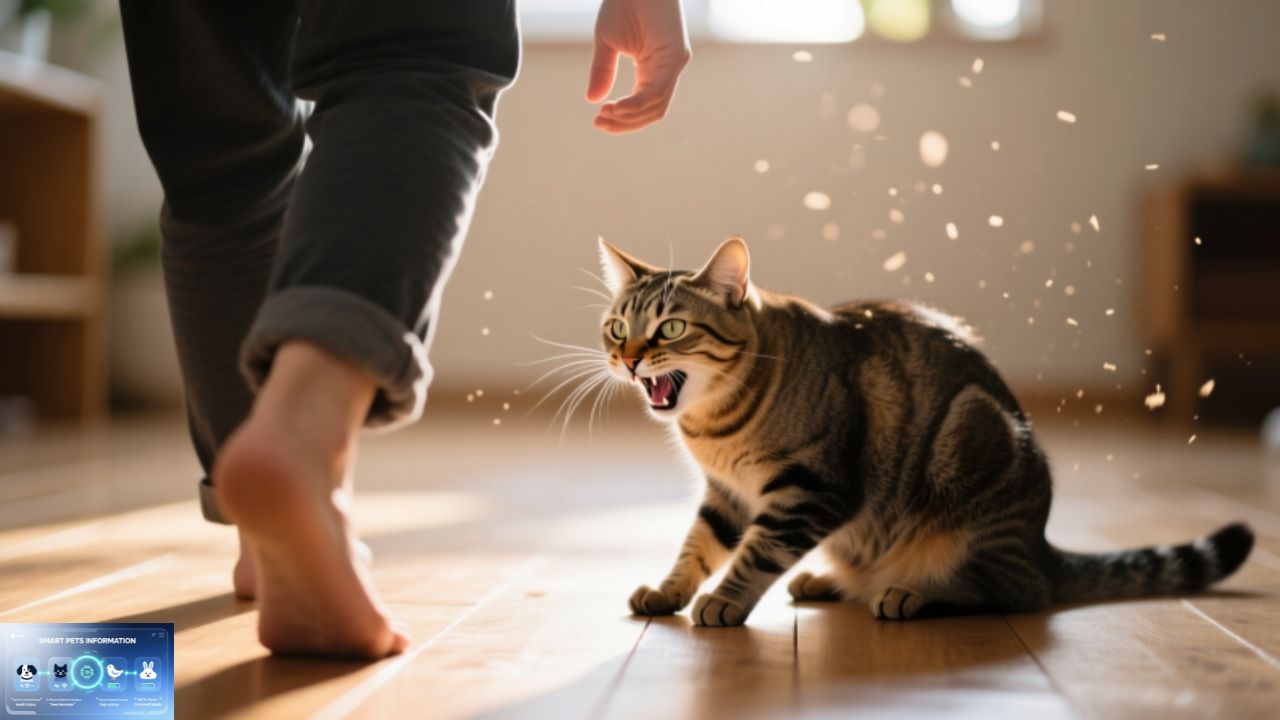
If you ask why does my cat bite me when i walk by, several LSI keywords explain this behavior, such as cat biting behavior, cat attacking legs, cat biting ankles while walking, sudden cat aggression, and play biting behavior patterns.
Cat body language signs like flattened ears, tail flicking, and dilated pupils reveal predator and prey play, cat pouncing instinct, medical reasons cats bite, and stress-related cat biting, helping you understand why does my cat bite me when i walk by and how to stop a cat from biting.
Why Does My Cat Bite Me When I Walk By?
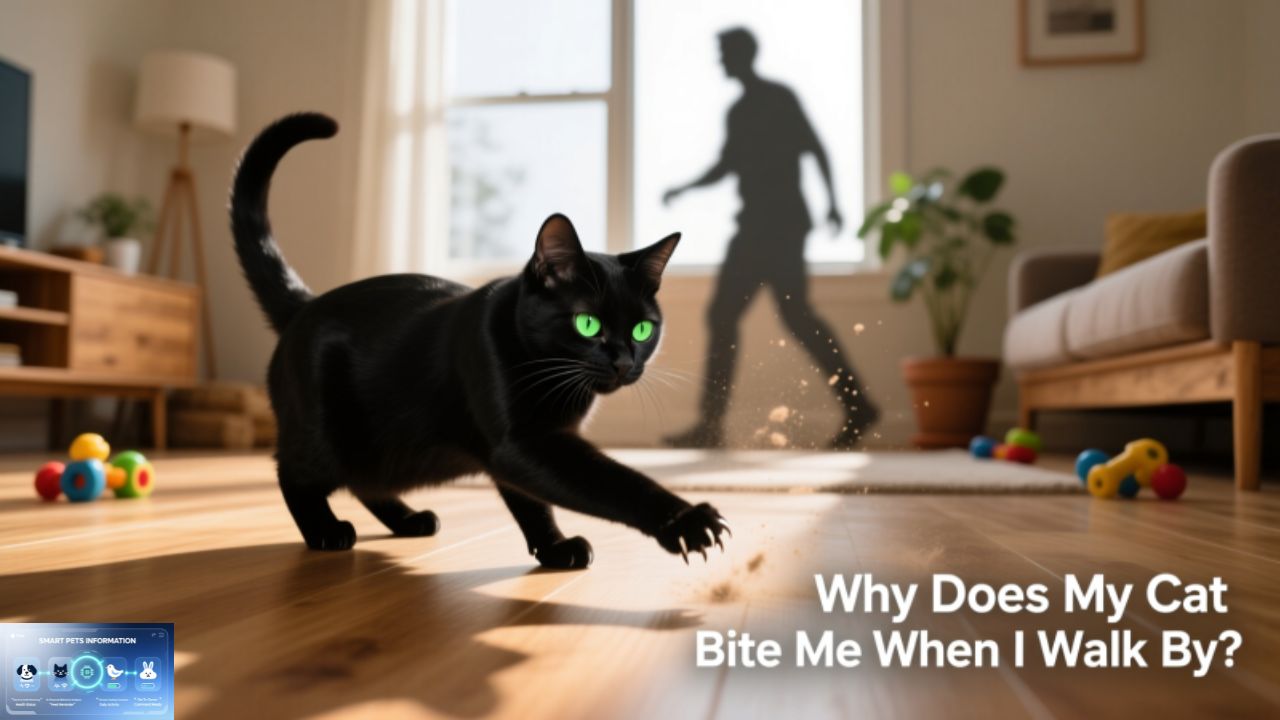
- This sudden cat biting behavior often comes from play instincts, redirected aggression, or overstimulation signals.
- When your cat attacks legs while walking, prey drive and predator play instincts usually trigger reactions.
- Pay attention to cat body language signs like flattened ears, tail flicking, and dilated pupils.
- Some cats bite ankles while walking due to boredom, excess energy, or attention-seeking behavior patterns.
- Play biting behavior feels personal, but it’s rooted in hunting instincts, not anger or dominance.
- Redirected aggression in cats happens when stress builds and your movement becomes an easy outlet.
- Medical reasons cats bite include pain, dental issues, or discomfort that lowers tolerance suddenly levels.
- Stress-related cat biting often follows changes at home, unfamiliar noises, or lingering fear responses inside.
- Your cat may be communicating boundaries, asking for space, or ending interaction through gentle bites.
- Learning how to stop a cat from biting starts with routine play and enrichment daily.
- Consistent responses, calm energy, and proper toys help reduce cat attacking legs over time safely.
- Understanding why your cat reacts builds trust, safety, and a stronger bond during everyday movement.
Why Does My Cat Randomly Bite Me Out of Nowhere?
- Sometimes, cat biting behavior surprises owners, revealing hidden stress, overstimulation, or subtle cat body language signs like flattened ears.
- Random nips often reflect predator and prey play, showing your cat’s instinctive cat pouncing instinct in action.
- Attention-seeking cat bites can occur when your cat craves love or feels momentarily ignored indoors.
- Sudden bites may indicate discomfort or medical reasons cats bite, such as dental pain or minor health issues.
- A cat’s tail flicking or dilated pupils often precede sudden cat aggression, signaling overstimulation during playful moments.
- Redirected aggression in cats happens when your feline encounters external triggers and lashes out unexpectedly at you.
- Playful nips are natural, reflecting play biting behavior, combined with instinctive stalking and predator and prey play.
- Stress-related cat biting occurs in response to household changes, new pets, or unfamiliar visitors nearby.
- Observing cat body language signs like stiff posture or flicking whiskers helps prevent bites before they happen.
- Random bites sometimes communicate boundaries during petting, reflecting overstimulation and gentle attention-seeking cat bites.
- Understanding how to stop a cat from biting empowers owners to respond calmly and redirect playful or aggressive energy.
- Sudden biting teaches patience and observation, showing how cat pouncing instinct, body language, and health concerns intertwine naturally.
Why Does My Cat Attack My Legs When I Walk Past?
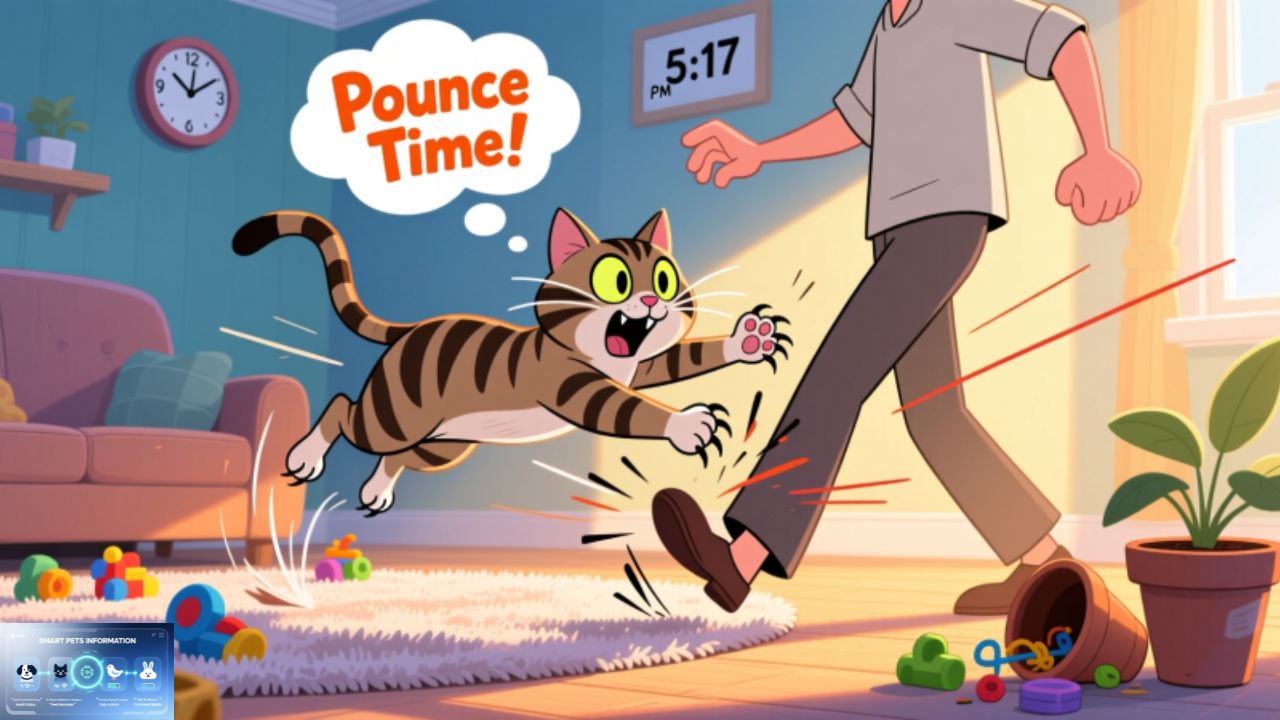
- Many cats attack legs instinctively, showing cat biting behavior and predator and prey play, alerting owners.
- Sudden leg attacks often reveal cat pouncing instinct, stress-related cat biting, and subtle body language signs.
- Attention-seeking cat bites on your legs may indicate your cat craves interaction or playtime.
- Observing flattened ears and tail flicking before leg attacks helps decode why cats bite owners.
- Redirected aggression in cats can occur if your cat sees another animal outside, triggering leg bites.
- Cats sometimes bite legs during walking due to overstimulation or play biting behavior, showing natural instincts.
- Medical reasons cats bite may contribute if pain or discomfort causes sudden leg attacks.
- Recognizing cat body language signs like dilated pupils can prevent unexpected bites during walking.
- Playful cat biting is common; your legs mimic prey, satisfying your cat’s predator instincts safely.
- Frequent leg attacks may signal anxiety or territorial aggression, important for understanding cat behavior deeply.
- Using toys or gentle redirection reduces attention-seeking cat bites and prevents stress-related leg attacks.
- Understanding why does my cat attack my legs when I walk past builds trust and strengthens bonding.
Why Does My Cat Bite Me Gently While Purring?
- Gentle nips while purring often reflect cat body language signs, showing love, comfort, and playful bonding.
- When your cat bites softly, it’s usually attention-seeking cat bites signaling trust and affectionate interaction.
- Play biting behavior combined with purring often reflects your cat’s instinctive predator and prey play, naturally expressed.
- Observing flattened ears and soft nips helps interpret subtle communication from a happy, relaxed feline companion.
- Gentle biting while purring may indicate overstimulation, stress-related cat biting, or simple playful curiosity, not aggression.
- Understanding cat pouncing instinct explains why soft bites often occur during interactive, engaging play sessions.
- Soft bites with purring can signal redirected aggression in cats, often happening after excitement or external triggers.
- Dilated pupils paired with gentle bites usually show curiosity, heightened alertness, or enjoyment during affection.
- Many cats combine purring with nips as cat body language signs, creating a unique emotional dialogue.
- Interpreting cat biting behavior correctly prevents miscommunication and strengthens trust between pet and owner.
- Gentle playful bites reflect natural instincts while showing attention-seeking cat bites in a safe, affectionate manner.
- Recognizing signs like purring, soft nips, and relaxed posture helps understand how to stop a cat from biting without stress.
Why Does My Cat Want Petting and Then Bite Me?

- Cats sometimes show play biting behavior when overstimulated, using gentle nips to communicate boundaries during petting.
- Understanding cat body language signs like tail flicking and flattened ears prevents sudden bites during affection.
- Attention-seeking cat bites often happen because your kitty craves interaction but grows impatient with prolonged petting.
- Some cats express love through gentle nips, reflecting their predator and prey play instincts naturally.
- A sudden bite may indicate discomfort or pain, emphasizing medical reasons cats bite during seemingly normal petting.
- Overstimulation triggers stress-related cat biting, especially if your cat’s body signals, like dilated pupils, are ignored.
- Observing cat pouncing instinct cues helps you recognize when affectionate petting could turn into playful biting.
- Cats sometimes bite softly to redirect your attention, showing redirected aggression in cats isn’t always negative.
- Even gentle nips can communicate preference, highlighting cat biting behavior as a subtle form of communication.
- Learning how to stop a cat from biting starts with reading these small, affectionate warning signs.
- Some cats nip while purring, blending playful and attention-seeking cat bites, signaling love mixed with instinct.
- Understanding your cat’s boundaries during cat biting ankles while walking or petting strengthens trust and emotional connection.
Why Does My Cat Bite Me Playfully?
- Playful cat biting often stems from predator and prey play, showing your cat’s natural hunting instinct.
- Gentle nips during cuddles signal attention-seeking cat bites, letting you know they desire interaction.
- Cat body language signs, like tail flicking or pouncing instinct, indicate playful rather than aggressive biting.
- Cats bite softly while purring to communicate comfort, highlighting play biting behavior without causing harm.
- Overstimulation and excitement can trigger playful biting, combining curiosity with instinctual predator and prey behavior.
- When cats bite playfully, it often reflects stress-related cat biting released through safe, interactive play sessions.
- Observing flattened ears or dilated pupils during play helps decode playful versus defensive bites.
- Interactive toys redirect cat pouncing instinct, reducing unintended playful nips toward your hands or ankles.
- Medical reasons cats bite rarely apply here; most playful bites are affectionate, not pain-driven.
- Consistent boundaries teach cats how to engage safely, guiding how to stop a cat from biting.
- Playful bites often express trust, signaling your cat’s comfort and healthy attention-seeking cat bites habits.
- Understanding playful biting builds deeper connection, encouraging empathy, patience, and effective cat behavior management techniques.
Why Does My Cat Bite Me Hard and Not Let Go?
- Your cat may bite hard due to sudden cat aggression, stress-related cat biting, or overstimulation signals.
- Sometimes, cat body language signs, like flattened ears and tail flicking, warn you before biting occurs.
- Play biting behavior or predator and prey play instincts can make your cat hold on firmly.
- Pain or illness, such as medical reasons cats bite, might explain why your cat won’t release.
- Cats often communicate attention-seeking cat bites, letting you know they need more affection or interaction.
- Overstimulation during petting may trigger redirected aggression in cats, causing unexpectedly hard bites.
- Cat pouncing instinct and sudden movement around your legs may provoke aggressive holding bites.
- Fear or anxiety can escalate stress-related cat biting, making even gentle pets turn intense.
- Understanding how to stop a cat from biting helps reduce aggressive or hard biting over time.
- Territorial instincts may lead to cat attacking legs when they feel threatened in their space.
- Observing cat body language signs can prevent situations where your cat bites hard and holds on.
- Providing toys and safe outlets reduces play biting behavior, encouraging your cat to release gently.
Why Do Cats Bite Their Owners’ Legs?
- Cats sometimes bite owners’ legs due to play biting behavior, instinctive predator and prey play, or sudden overstimulation.
- Attention-seeking cat bites often occur when cats feel ignored, expressing frustration or desire for your immediate affection.
- Some cats exhibit stress-related cat biting, showing body language signs like flattened ears or tail flicking nervously.
- Medical reasons cats bite include pain, dental issues, or discomfort, signaling owners something is physically wrong.
- Cats can bite legs out of territorial aggression or fear when sensing other cats nearby or unusual movement.
- Playful cat biting is normal in kittens and adult cats, releasing pent-up energy through playful pounces.
- Owners often misread gentle love bites, which are communication signs expressing boundaries during petting sessions.
- Sudden cat aggression sometimes occurs when external stimuli, like a cat outside, trigger redirected attacks toward owners.
- Some cats bite legs to communicate overstimulation, signaling they need space or a pause from physical touch.
- Observing cat body language signs like dilated pupils or flicking tails helps prevent cat biting behavior escalation.
- Biting during walking or play often stems from predator instincts, where owners’ moving feet resemble prey targets.
- Understanding how to stop a cat from biting requires patience, careful handling, toys, and positive reinforcement strategies.
Why Does My Cat Bite Me When I’m Cuddling?
- Sometimes cats bite during cuddling due to play biting behavior, overstimulation, or expressing attention-seeking cat bites.
- Cat body language signs like flattened ears or tail flicking often indicate your kitty might bite.
- Predator and prey play instincts can cause a cat to bite gently while engaging in affectionate moments.
- Stress or discomfort triggers stress-related cat biting, even when your cat seems calm during cuddling sessions.
- Sudden bites while cuddling may signal medical reasons cats bite, such as pain, illness, or irritation.
- Cat pouncing instinct is natural; playful nips are a form of communication during close physical contact.
- Observing dilated pupils and stiffening posture helps anticipate bites before they interrupt your cuddles.
- Gentle nips during petting are often redirected aggression in cats, not intentional harm toward you.
- Overstimulation from extended cuddles can result in cat biting behavior, signaling it’s time for a short break.
- Cats sometimes bite softly to express attention-seeking cat bites, letting you know they desire interaction.
- Flattened ears, tail flicking, and meows indicate your cat’s mood, helping prevent unwanted cuddling bites.
- Understanding your cat’s body language and instincts ensures safe, affectionate interactions without triggering playful aggression.
Why Is My Male Cat Biting Me More Often?
- Your male cat may bite more often due to stress-related cat biting, signaling anxiety or fear.
- Overstimulation can trigger play biting behavior, making your male cat nip gently while showing affection.
- Cat body language signs like flattened ears and tail flicking indicate your male cat feels threatened.
- Medical issues like dental pain or arthritis can lead to medical reasons cats bite unexpectedly.
- Territorial instincts often cause cat attacking legs or playful nips when you walk by your male cat.
- Sudden bites may reflect redirected aggression in cats when outside stimuli trigger frustration or excitement.
- Your male cat could be seeking interaction, showing attention-seeking cat bites to capture your focus.
- Hormonal changes or unneutered behavior can increase sudden cat aggression, especially in young adult male cats.
- Understanding cat pouncing instinct helps you prevent playful attacks from turning into painful bites.
- Frequent nips might indicate your male cat prefers certain handling, revealing cat biting behavior patterns.
- Recognizing early cat body language signs like dilated pupils helps you respond calmly and prevent bites.
- Providing toys and structured play reduces boredom, preventing playful male cat biting and reinforcing trust naturally.
Why Do Kittens Bite and How Is It Different?
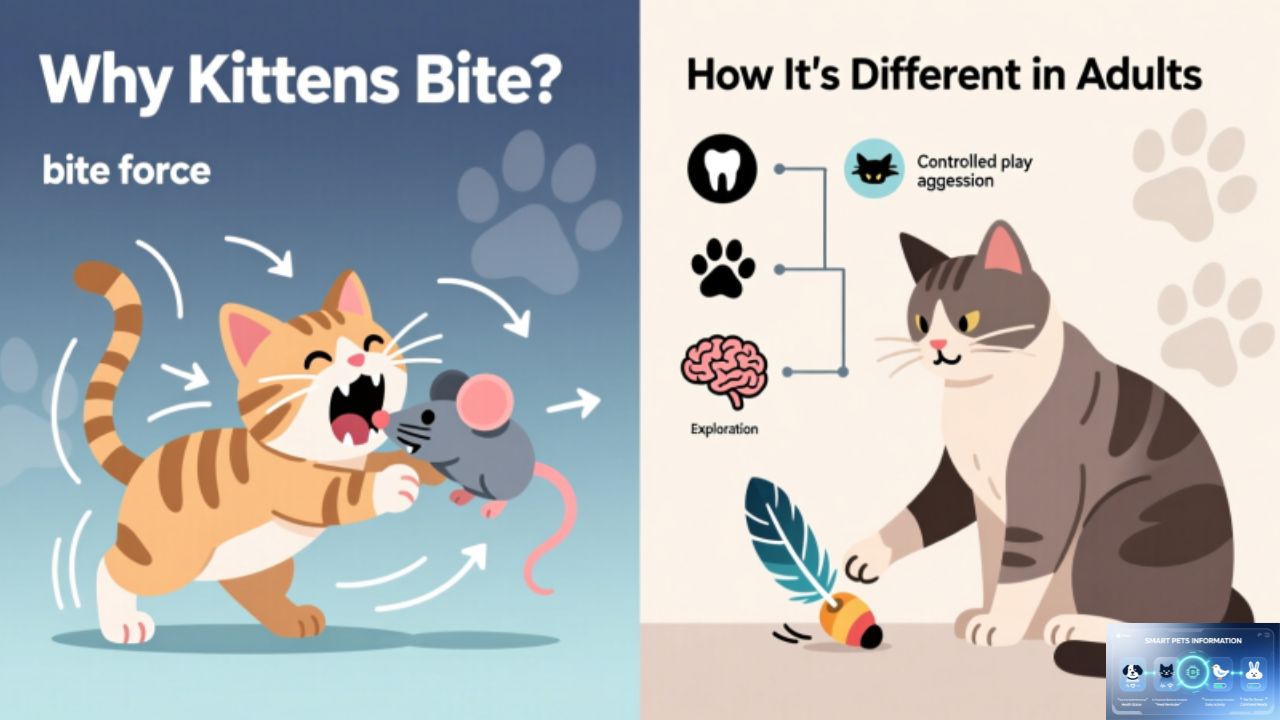
- Kittens often bite gently during play, showing natural cat pouncing instinct, teaching boundaries while exploring safely.
- Understanding play biting behavior helps owners distinguish between kitten curiosity and early cat biting behavior issues.
- Gentle kitten bites often indicate predator and prey play, reflecting natural instincts rather than aggression or fear.
- Attention-seeking nips in kittens can signal need for stimulation, connecting cat body language signs and emotional expression.
- Kittens rarely bite hard, unlike adult cats, demonstrating less sudden cat aggression and more playful energy.
- Observing tail flicking, flattened ears, and playful nips helps identify harmless kitten bite behavior patterns.
- Kittens bite to communicate boundaries during predator and prey play, teaching humans proper interaction etiquette.
- Playful bites often combine cat pouncing instinct with curiosity, reflecting healthy development and social learning.
- Unlike adult bites, kitten nips rarely cause pain, showing gentle cat biting behavior during interactive play.
- Early stress-related cat biting in kittens usually stems from overstimulation or uncertainty, not deliberate aggression.
- Redirecting bites toward toys encourages positive play biting behavior while protecting hands and strengthening owner-kitten bonds.
- Recognizing subtle cat body language signs allows owners to respond wisely, fostering trust and healthy kitten socialization.
Can Pain, Illness, or Stress Cause Cat Biting?
- A cat may bite unexpectedly when experiencing stress-related cat biting, signaling discomfort, illness, or underlying medical problems.
- Understanding medical reasons cats bite helps owners respond compassionately to pain or stress-induced aggressive behavior.
- Cat body language signs, like flattened ears or tail flicking, often indicate fear, illness, or anxiety-related bites.
- Sudden stress-related cat biting may stem from discomfort, internal pain, or environmental changes in the home.
- Recognizing predator and prey play can help differentiate playful bites from pain or illness-related biting.
- How to stop a cat from biting begins with observing subtle cat body language signs carefully.
- Painful conditions, including dental issues or joint pain, often trigger medical reasons cats bite their owners.
- Cats communicate frustration or fear through stress-related cat biting, alerting you to their hidden discomfort.
- Flattened ears, dilated pupils, and tail flicking reveal cat body language signs signaling possible pain.
- Medical reasons cats bite should always be considered before labeling behavior as aggressive or playful.
- Observing cat pouncing instinct versus signs of discomfort clarifies if biting stems from stress or illness.
- Compassionate responses to stress-related cat biting improve trust, strengthen bonds, and address underlying health concerns.
How to Stop a Cat From Biting While Walking By
- Observe cat body language signs like flattened ears or tail flicking to prevent sudden bites.
- Distract your cat with toys, redirecting play biting behavior and reducing stress-related cat biting instantly.
- Avoid startling your cat to minimize sudden cat aggression and encourage gentle, predictable walking interactions.
- Offer gentle petting breaks and respect preferences, decreasing attention-seeking cat bites while building trust.
- Use calm, confident voice commands to interrupt cat pouncing instinct before any bite occurs unexpectedly.
- Ensure your cat’s environment is safe, reducing triggers that cause redirected aggression in cats naturally.
- Provide adequate playtime daily to reduce play biting behavior and satisfy your cat’s hunting instincts.
- Watch for early warning cat body language signs, like dilated pupils, to prevent bites effectively.
- Avoid rough handling or sudden movements, limiting sudden cat aggression and enhancing cat-owner bonding.
- Give positive reinforcement when your cat approaches calmly, teaching how to stop a cat from biting.
- Maintain regular vet check-ups to rule out medical reasons cats bite unexpectedly during interactions.
- Respect your cat’s space and moods, preventing attention-seeking cat bites while walking by intentionally.
Frequently Asked Questions:
What is the 3-3-3 rule for cats?
The 3-3-3 rule teaches cats patience: three seconds, three steps back, three calm interactions repeat.
How to discipline your cat when they bite you?
Use calm time-outs, redirect attention to toys, and never hit; reinforce gentle behavior consistently.
Why does my cat wrap her paws around my leg and bite me?
Cats use paws-and-bite to play, show affection, or express overstimulation; it’s instinctive hunting behavior.
Why does my cat bite me when I’m not getting attention?
Cats bite for attention, expressing frustration or boredom; offer toys, playtime, or affection instead.
Final Thoughts:
Cats are mysterious creatures, and why does my cat bite me when I walk by can leave you puzzled. Understanding their behavior, from cat biting behavior to cat attacking legs, play biting behavior, or attention-seeking cat bites, helps make interactions calmer and more enjoyable.
Watching cat body language signs, like flattened ears, tail flicking, dilated pupils, or predator and prey play, gives clues to their mood. Recognizing triggers such as stress-related cat biting or medical reasons cats bite teaches you why does my cat bite me when I walk by and how to respond patiently.
Leave a Reply