
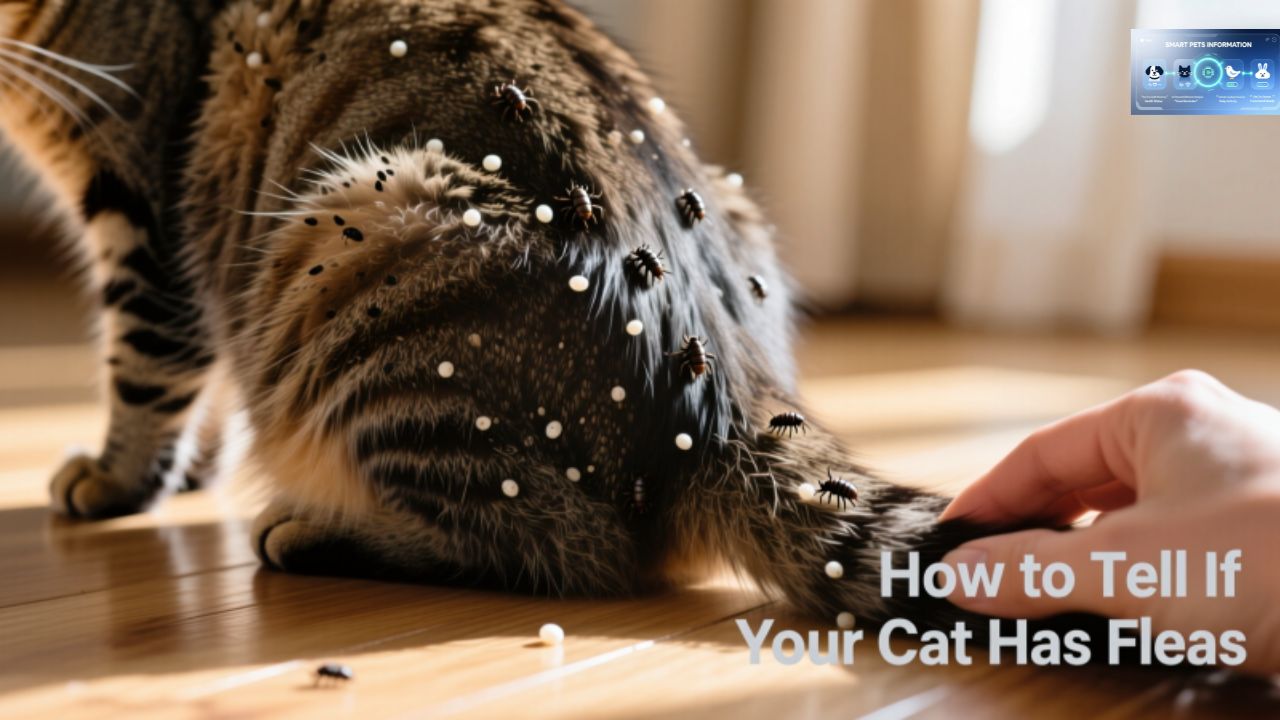
Cats scratching, licking fur, or shaking their heads often signals trouble. Learning how to tell if cat has fleas helps you spot signs of fleas on cats, flea dirt on fur, overgrooming, hair loss, and other flea infestation symptoms early.
Check your cat by inspecting areas to inspect for fleas like the base of the tail, under the armpits, and groin region. Knowing how to tell if cat has fleas in these spots, along with regular flea combing, topical flea medication, oral flea pills, and controlling flea eggs and larvae, keeps cats healthy.
What Do Fleas on Cats Look Like?
- Spotting tiny black insects on your cat’s fur can indicate a serious flea infestation quickly.
- Flea dirt on fur, small brown-black flecks, often signals your cat may be scratching excessively.
- Cats scratching, overgrooming, or biting fur are common signs of fleas on cats to observe.
- Tiny moving dots along the base of the tail or under armpits suggest fleas’ presence.
- Flea eggs are nearly microscopic, but their accumulation with flea dirt signals potential infestation.
- Observing black specks on bedding can confirm flea feces and flea infestation symptoms at home.
- Shaking the head, scratching ears, and excessive licking often indicate your cat has fleas.
- Indoor cat fleas are still possible; even home-bound pets need careful flea prevention measures.
- Flea combing along legs and back helps detect jumping fleas hiding deep in fur.
- Flea dermatitis from bites causes itchy cat behavior, skin irritation, and visible hair loss.
- Pale gums in kittens or adults may indicate flea anemia, a serious flea complication.
- Flea hygiene and regular inspection prevent flea multiplication, protecting cats and household members.
- Detecting hitchhiker fleas from other pets or humans requires careful observation and flea detection at home.
- Quick flea removal methods like washing with soapy water can help control flea populations.
- Confirming flea infestation through black specks turning reddish-brown with water ensures accurate identification.
- Topical flea medication or oral flea pills support effective flea treatment for cats of all ages.
- Controlling flea eggs and larvae in the house reduces the chance of recurring infestations.
- Observing behavior changes in cats due to fleas can guide early intervention and treatment.
- Flea life cycle understanding empowers cat owners to manage flea infestation responsibly and effectively.
- Pet flea control, regular inspection, and safe flea treatment protect both cats and humans.
How To Tell If Your Cat Has Fleas
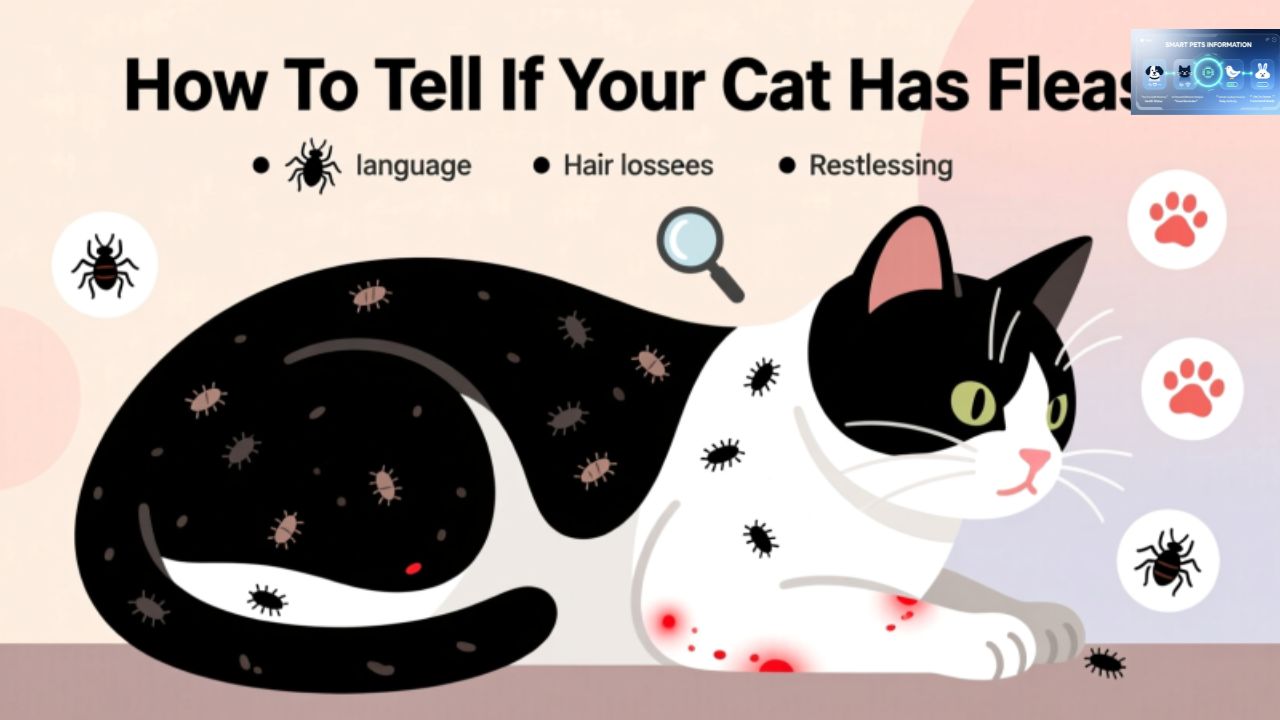
- Spotting tiny black specks or flea dirt on fur helps you quickly identify a flea infestation.
- Excessive scratching, biting, or overgrooming indicates your cat may have fleas hiding under its coat.
- Look around the base of the tail and under armpits for jumping fleas or flea eggs.
- Pale gums and restlessness in your cat can signal severe flea infestation or flea anemia concerns.
- Checking your cat with a flea comb on groin and back areas detects hidden fleas early.
- Flea bites can make cats itchy and uncomfortable; observing scratching behavior helps prevent further skin problems.
- Indoor cat fleas often arrive via hitchhiker fleas from other pets, humans, or contaminated environments.
- Flea feces or black specks on bedding indicate your home may already have flea contamination issues.
- Licking fur excessively and scratching ears are key signs your cat may need flea treatment.
- Oral flea pills combined with topical flea medication ensure all flea life stages are controlled efficiently.
- Flea shampoo and careful combing remove adult fleas while preventing flea eggs from multiplying at home.
- Observing behavior changes in cats, such as agitation, can reveal undetected flea infestations around the house.
- Inspecting the base of the tail and armpits regularly helps detect fleas before a major infestation.
- Quick flea removal methods, like washing with soapy water, prevent fleas from spreading further in your home.
- Flea allergy or flea dermatitis can worsen if flea infestations aren’t addressed with safe flea treatment.
- Controlling flea eggs and larvae in the house protects kittens and adult cats from recurring problems.
- Recognizing black specks on bedding or cat fur helps confirm a flea infestation early and effectively.
- Even indoor cats need regular flea prevention to avoid hitchhiker fleas entering through humans or other pets.
- Using a flea comb along the back and legs ensures proper flea detection at home.
- Observing scratching, biting, or excessive grooming helps determine if your cat has fleas without veterinary delay.
Symptoms of Fleas on Cats
- Excessive scratching, biting, and licking fur often signal fleas, flea dirt, or flea infestation symptoms.
- Hair loss and overgrooming can indicate flea allergy, flea bites, and flea feces presence on cats.
- Pale gums and signs of flea anemia reveal severe flea infestation and require immediate flea treatment for cats.
- Black specks on bedding or fur often point to flea dirt, flea eggs, or active fleas.
- Shaking the head or scratching ears excessively may signal itchy cat behavior caused by jumping fleas.
- Licking fur relentlessly can indicate flea dermatitis or allergic reactions from flea bites and flea saliva.
- Overgrooming, hair loss, and behavioral changes highlight flea infestation symptoms and possible flea allergy dermatitis.
- Flea combing along the base of the tail, armpits, and groin region detects fleas effectively.
- Hitchhiker fleas from other pets or humans can trigger flea feces, black specks, and itchy cat behavior.
- Indoor cat fleas can appear even without outdoor exposure, requiring flea prevention and quick flea removal methods.
- Flea life cycle awareness helps control flea eggs, larvae, and adult fleas before infestation spreads indoors.
- Flea treatment for cats, including topical flea medication and oral flea pills, prevents excessive scratching and irritation.
- Signs of fleas on cats include flea dirt, flea eggs, and tiny jumping fleas in fur coat.
- Flea hygiene and pet flea control routines reduce flea multiplication and severe flea infestation symptoms over time.
- Flea detection at home, using wet paper tests or flea combs, confirms flea infestation accurately.
- Scratching, biting, and overgrooming in kittens can signal flea allergy, pale gums, and flea dermatitis early.
- Excessive licking or scratching ears reflects behavior changes in cats due to flea bites or flea infestation.
- Flea feces, black specks, and tiny fleas on bedding are strong indicators of flea infestation symptoms.
- Quick flea removal methods, washing with soapy water or using IGR products, help stop flea multiplication.
- Controlling flea eggs and larvae in the house protects cats from severe flea infestation and itchy cat behavior.
My Cat Has Fleas, What Should I Do?
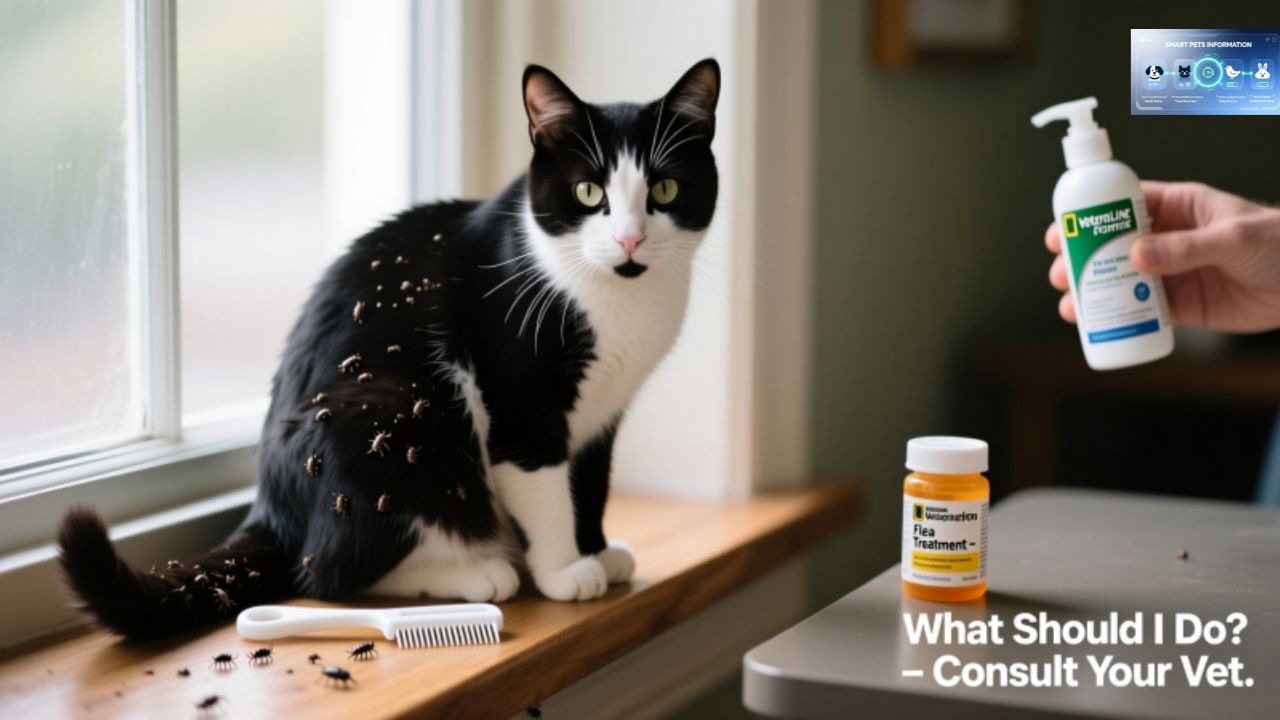
- Gently inspect the base of the tail and under armpits to check for fleas effectively.
- Use a flea comb on your cat’s fur to remove adult fleas and flea dirt safely.
- Observe excessive scratching, biting, or licking as early signs of a potential flea infestation.
- Consider topical flea medication for cats, following vet advice to prevent fleas multiplying in your home.
- Oral flea pills can quickly reduce adult flea numbers while preventing further flea bites on cats.
- Regularly wash your cat’s bedding to eliminate black specks and flea feces, stopping flea spread.
- Check all pets for hitchhiker fleas from other cats, dogs, or humans to protect everyone.
- Flea eggs can hide in carpets and furniture; treat your house with an IGR spray.
- Keep indoor cat fleas under control with preventive flea treatment and routine grooming sessions.
- Monitor for pale gums or behavioral changes as possible flea anemia symptoms in your kitten.
- Flea shampoo baths can soothe itchy cat behavior while reducing flea numbers effectively and safely.
- Overgrooming or hair loss may indicate flea allergy dermatitis, requiring immediate vet-recommended flea care.
- Use quick flea removal methods like wet paper towel tests to confirm flea presence at home.
- Flea feces or black specks on fur indicate infestation; act promptly with safe flea treatment.
- Controlling flea eggs and larvae in your home prevents rapid flea multiplication and reinfestation.
- Observe areas like the groin region for fleas hiding while feeding on your cat’s blood.
- Combining topical medication and oral flea pills offers maximum protection for kittens and adult cats.
- Behavior changes, like restlessness or scratching ears, can signal your cat has fleas.
- Flea hygiene and regular combing help maintain pet flea control and prevent further flea bites.
- Consult a veterinarian if flea infestation persists, ensuring safe flea treatment for cats and home protection.
Do I Need to Flea Treat My Indoor Cat?
- Even indoor cats can get fleas, so regular flea prevention and safe flea treatment remain essential.
- Check your indoor cat carefully for flea dirt, itchy cat behavior, and black specks on bedding.
- Fleas hitchhike from other pets or humans, making flea combing and topical flea medication vital.
- Early flea detection at home prevents severe flea infestation symptoms and maintains your cat’s overall health.
- Flea eggs and larvae can survive indoors, so controlling the house environment stops flea multiplication effectively.
- Observe your cat for excessive scratching, shaking the head, or scratching ears as flea infestation signs.
- Oral flea pills or flea shampoo can help eliminate adult fleas while protecting your indoor cat safely.
- Even a cautious indoor cat may need preventive flea treatment to avoid flea allergy or dermatitis.
- Flea feces, black specks on fur, and hair loss indicate it’s time for immediate flea treatment.
- Insect Growth Regulator (IGR) sprays combined with vet-recommended treatments ensure complete indoor flea control.
- Watching for behavior changes in cats due to fleas can guide safe and quick flea removal methods.
- Flea bites cause discomfort; washing with soapy water and confirming flea infestation ensures proper care.
- Fleas on indoor cats can affect family pets, requiring careful flea treatment for kittens and adults.
- Regular inspection around the base of the tail, under armpits, and groin region prevents flea buildup.
- Safe flea treatments for kittens and adult cats protect against flea anemia and severe infestation symptoms.
- Preventing flea multiplication indoors involves consistent pet flea control, flea hygiene, and careful home monitoring.
- Flea combing combined with topical medication keeps your indoor cat free from hitchhiker fleas effectively.
- Quick flea removal methods at home reduce stress for both cats and owners, ensuring flea-free living.
- Flea life cycle knowledge allows pet owners to control flea eggs, larvae, and adult fleas efficiently.
- Treating all pets in the home ensures indoor cats remain protected from fleas or hitchhiker infestations.
Why is My Cat Still Itching After Flea Treatment?
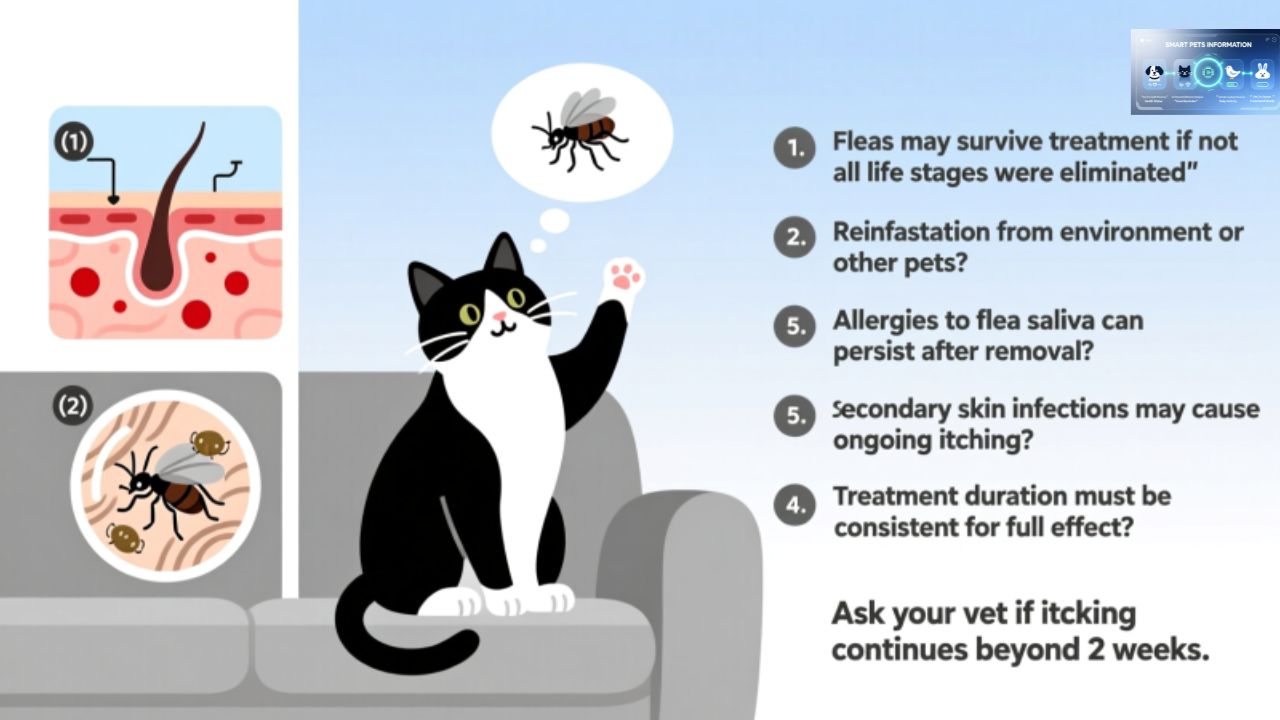
- Even after topical flea medication, cats may scratch due to flea allergy, irritation, or leftover flea eggs.
- Persistent itching can occur if flea larvae remain in the home, causing repeated bites on your cat.
- Some cats react to oral flea pills with mild irritation, leading to scratching or overgrooming behaviors.
- Flea hygiene is crucial; even indoor cats can get hitchhiker fleas from other pets or humans.
- Itchy cat behavior may continue if flea dermatitis or flea bites trigger allergic responses after treatment.
- Flea prevention routines may need adjusting, combining IGR products, flea shampoo, and regular flea combing.
- Hair loss and scratching may persist because flea feces or black specks remain on the fur.
- Behavior changes like agitation or excessive licking can indicate ongoing flea allergy dermatitis in your cat.
- Quick flea removal methods, like washing with soapy water, can help reduce lingering irritation.
- Flea life cycle stages, including eggs and larvae, can continue to cause discomfort post-treatment.
- Even with safe flea treatment for kittens and adult cats, scratching may persist briefly.
- Controlling flea eggs and larvae in the house ensures long-term relief from persistent itching.
- Shaking the head, scratching ears, or biting fur are signs fleas or residual flea dirt remain.
- Indoor cat fleas may survive in bedding, carpets, or furniture, extending scratching and irritation symptoms.
- Confirming flea infestation with a paper towel test helps understand why your cat keeps scratching.
- Excessive scratching may result from flea saliva sensitivity or mild allergic reactions after flea treatments.
- Combining topical flea medication with oral flea pills increases effectiveness, reducing residual itching gradually.
- Even after treatment, flea hygiene and pet flea control prevent future flare-ups of itchy cat behavior.
- Monitoring areas like the base of the tail, under the armpits, and groin region reduces lingering fleas.
- Preventing flea multiplication and checking all pets in the house ensures your cat finally stops itching.
Frequently Asked Questions:
How to Check Your Cat for Fleas?
Use a flea comb on base of tail, armpits, and groin; check for moving black specks or flea dirt.
What Kills 100% of Fleas on Cats?
Combine vet-approved topical or oral flea treatments, flea combing, IGR products, and home cleaning for effective control.
Can Humans Catch Fleas from Cats?
Yes, fleas can bite humans temporarily, causing itchy red spots, but they prefer cats as hosts.
How Do Cats Act If They Have Fleas?
Excessive scratching, licking, hair loss, restlessness, and irritated skin indicate fleas or flea-related allergies in cats.
Final Thought: How to Tell If Cat Has Fleas
Ever notice your cat constantly scratching, licking fur, or showing signs of overgrooming? How to tell if cat has fleas starts with spotting early clues like flea dirt on fur, black specks on bedding, and flea infestation symptoms around the home.
Knowing how to tell if cat has fleas also means checking key areas like the base of the tail, under the armpits, and groin region. Use flea combing, watch for jumping fleas, and act quickly with flea treatment for cats to keep your furry friend comfortable and healthy.
Leave a Reply