
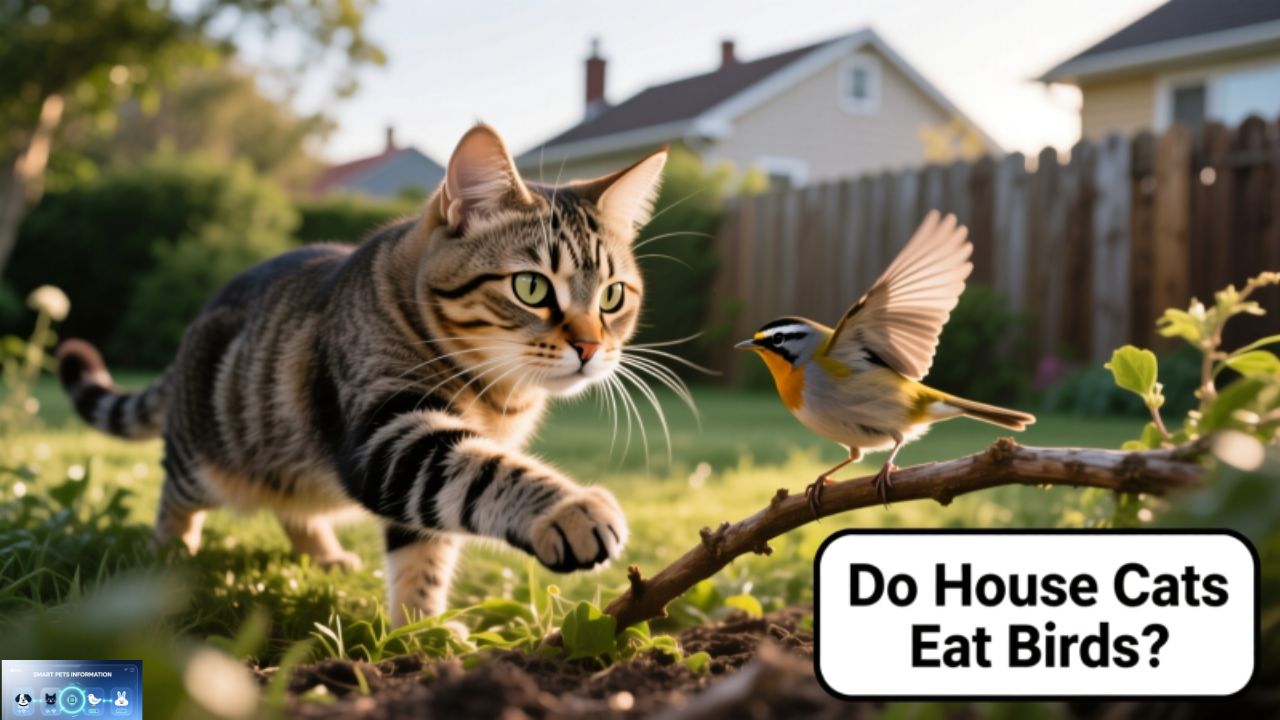
That frozen stare says everything about a cat’s natural hunting instinct. do house cats eat birds connects to obligate carnivores, predatory behavior in cats, house cats hunting birds, cats stalking birds, and hunting driven by instinct not hunger alone today.
Across indoor vs outdoor cats, free-roaming cats threaten backyard birds and cats alike. Cats killing songbirds, cats hunting baby birds, and cats harming wildlife impact biodiversity, with risks including toxoplasmosis transmission, salmonella risk, tapeworm exposure, and choking hazards for pets.
Prevent cat food aggression 🥣🐱 with simple tips!
Do Cats Eat Birds or Just Kill Them for Instinct?
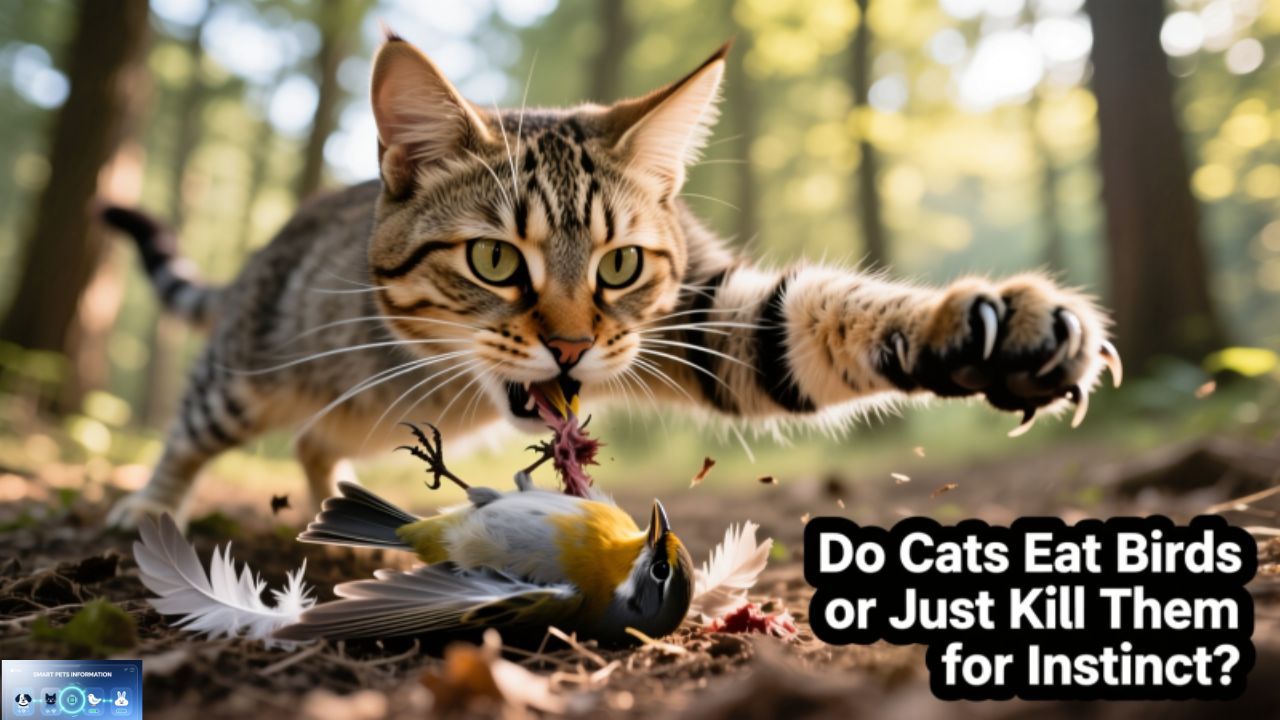
- Cats often hunt birds from natural hunting instinct, not hunger, reflecting deep predatory behavior patterns.
- Even well-fed house cats kill birds because obligate carnivores retain powerful instincts shaped by evolution.
- Some cats eat birds whole, others abandon prey, showing hunting is driven by instinct not hunger.
- Cats killing birds and bringing them home reflects learned behavior, communication, and lingering survival instincts.
- Domestic cats eating birds may nibble heads or organs first, following ancestral predatory feeding patterns.
- House cats hunting birds practice stalking, pouncing, and catching prey, satisfying mental stimulation needs naturally.
- Killing without eating doesn’t mean waste; cats rehearse hunting skills crucial for long-term survival success.
- Outdoor cats encounter birds more often, increasing chances of predation compared with indoor lifestyles overall.
- Free-roaming cats affect bird populations, even when hunting feels playful rather than purposeful behavior alone.
- Veterinary experts note hunting behavior persists despite balanced diets and safe indoor environments for cats.
- Cats catching birds triggers dopamine rewards, reinforcing instinctive cycles repeated throughout their lives naturally often.
- Understanding why cats kill birds helps owners respond calmly, not with guilt or panic alone.
- Reducing hunting urges requires enrichment, supervision, and respect for cats’ innate predatory nature and instincts.
Why House Cats Hunt Birds Even When Well Fed
- Even well-fed house cats hunt birds because their natural hunting instinct overrides hunger and comfort.
- As obligate carnivores, domestic cats display predatory behavior driven by instinct, not hunger or diet.
- Cats stalking birds feel mentally stimulated, satisfying ancient survival wiring shaped long before pet food.
- House cats hunting birds reflects inherited skills from wild ancestors, not poor feeding or neglect.
- Well-fed cats catching birds often seek excitement, exercise, and enrichment missing from indoor routines daily.
- Free-roaming cats hunt small animals since movement triggers chase instincts, regardless of full stomachs today.
- Indoor vs outdoor cats show similar urges, but outdoor access increases opportunities to attack birds.
- Cats killing songbirds rarely plan meals; the act itself fulfills instinctual predator satisfaction deeply innate.
- Hunting behavior persists despite balanced meat-based diets, proving nutrition alone cannot erase instincts entirely fully.
- Cats attacking birds may also respond to sounds, fluttering wings, and quick movements outside daily.
- Backyard birds and cats collide because urban environments mix wildlife with natural feline behaviors constantly.
- Veterinary experience shows cats hunting baby birds follows instinctual patterns, not learned aggression alone naturally.
- Understanding cats hunting behavior helps owners protect wildlife while respecting feline psychology and balance carefully.
Do House Cats Eat Birds Whole or Leave Parts Behind?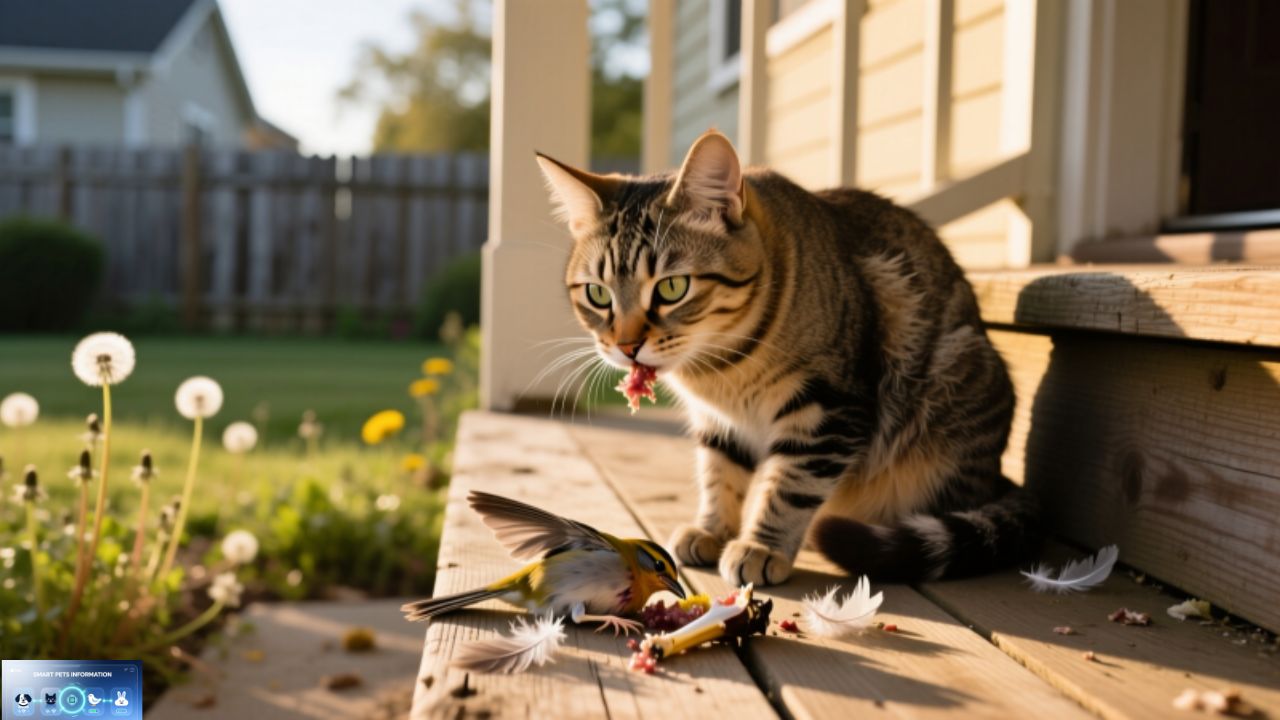
- Most house cats rarely eat birds whole, often leaving wings, feathers, or heads behind after hunting.
- Domestic cats eating birds usually tear prey apart, guided by natural hunting instinct and jaw structure.
- Cats killing birds may consume soft organs first, while bones and feathers pose choking hazards.
- Experienced owners notice cats preying on birds often abandon parts once satisfied or distracted outside.
- House cats hunting birds don’t always finish meals, especially when instinct overrides hunger entirely alone.
- Veterinarians explain cats eating wild birds risk parasites, encouraging partial consumption rather than whole prey.
- Cats catching birds may drop remains near homes, reflecting predatory behavior not cruelty by nature.
- Outdoor cats eat birds differently than indoor cats, often leaving parts after brief encounters outside.
- When cats hunt baby birds, they frequently nibble flesh while avoiding hard bones and feathers.
- Cats attacking birds sometimes stop eating once movement ends, showing instinct-driven behavior rather than hunger.
- Pet parents worry when cats eat birds whole, but partial feeding is more common than expected.
- Health experts warn birds’ bones and feathers increase digestive risks if swallowed entirely by cats.
- Understanding cats hunting behavior helps owners protect wildlife while keeping pets safe and informed daily.
My Cat Ate a Bird: What to Do Immediately
- If your cat ate a bird, monitor them closely for vomiting, diarrhea, or signs of avian diseases in cats.
- Contact your veterinarian immediately to check for toxoplasmosis transmission, salmonella risk, or tapeworm exposure.
- Keep your cat indoors to prevent free-roaming cats from hunting and reduce further bird predation.
- Remove any bird remains carefully, as feathers and bones pose choking hazards from bones and feathers.
- Offer a balanced meat-based diet to support recovery and reduce hunting driven by instinct not hunger.
- Observe your cat for lethargy or unusual behavior, indicating potential cat health and safety risks.
- Use cat enrichment to reduce hunting, such as toys or interactive play, diverting natural hunting instinct.
- Consider placing a bell on your cat’s collar; bell collars for cats help alert birds.
- If outdoor time is necessary, avoid fledgling season risks to protect vulnerable baby birds and wildlife.
- Keep a record of your cat’s symptoms to share with the vet, improving treatment accuracy and authority.
- Use humane bird deterrents for cats when allowing supervised outdoor play to protect backyard birds and cats.
- Clean any affected areas thoroughly to reduce avian diseases in cats and protect other pets or humans.
- Reassure your cat with attention and calm interaction, supporting emotional well-being while preventing further hunting behavior.
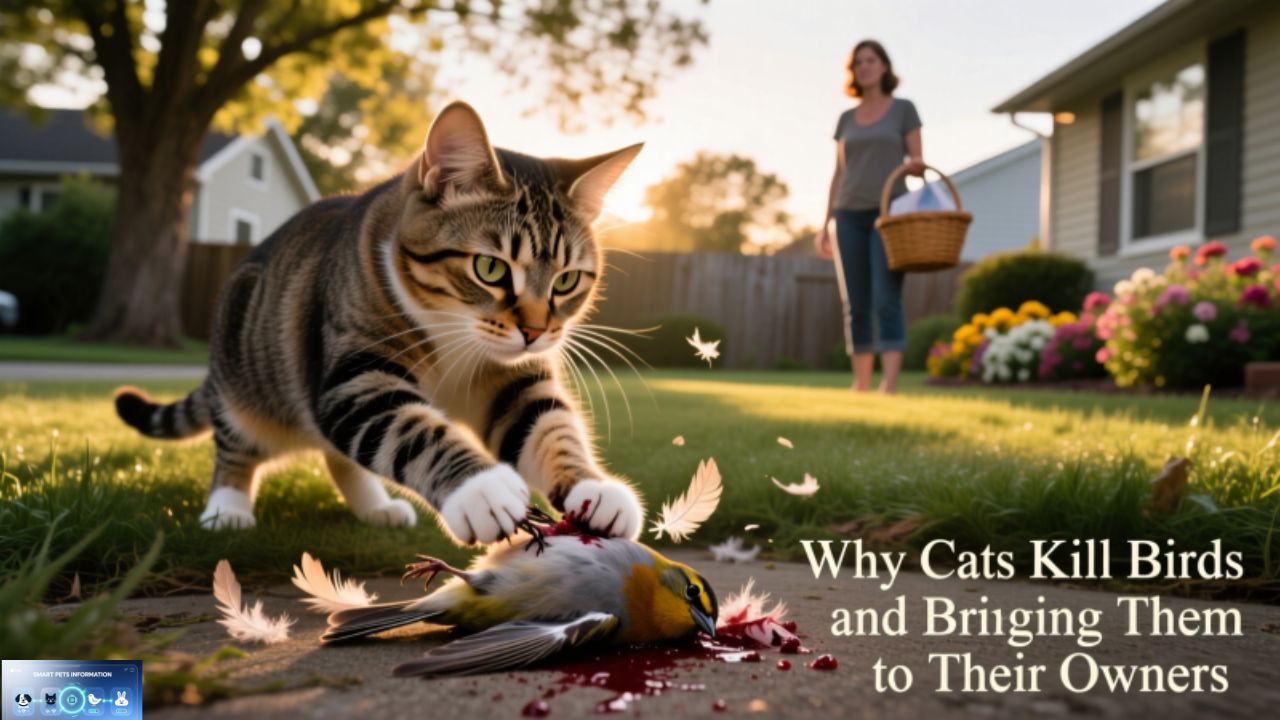
- Cats bring birds to their owners as a natural hunting instinct, reflecting predatory behavior in cats.
- House cats hunting birds often showcase their skills, demonstrating obligate carnivores’ need for protein-rich prey.
- Domestic cats eating birds may leave them as gifts, blending instinct and affection toward their human.
- Cats killing songbirds highlight cats preying on birds, reminding owners of wildlife conservation impact.
- Cats catching birds for instinct, not hunger, can lead to cat health and safety risks indoors.
- Free-roaming cats bring birds home, emphasizing cats hunting behavior and the need for humane bird deterrents.
- Backyard birds and cats interactions show cats harming wildlife, stressing the importance of bell collars for cats.
- Cats hunting baby birds often reflect natural hunting instinct, requiring cat enrichment to reduce hunting urges.
- Indoor vs outdoor cats differ in behavior, but both may engage in cats killing birds for instinct.
- Cats stalking birds demonstrate cats preying on birds, highlighting risks like toxoplasmosis transmission or tapeworm exposure.
- Cats eating wild birds occasionally carry avian diseases in cats, signaling balanced meat-based diet importance.
- Observing cats attacking birds teaches owners about predatory behavior in cats and wildlife conservation impact.
- Preventing cats from bringing birds home combines keeping cats indoors, bird-safe cat collars, and cat enrichment activities.
Are Birds Dangerous for Cats to Eat? Health Risks Explained
- Eating wild birds exposes cats to parasites and avian diseases, creating serious cat health and safety risks.
- Cats hunting birds face toxoplasmosis transmission, salmonella risk, and tapeworm exposure, making bird-eating behavior dangerous.
- Even healthy domestic cats eating birds may choke on feathers or bones, leading to severe injury.
- Indoor vs outdoor cats hunting birds experience different levels of risk, with free-roaming cats most vulnerable.
- Cats killing songbirds for instinct can unintentionally contract avian pathogens, harming both pets and humans.
- Backyard birds and cats interactions may seem harmless but can disrupt bird populations and biodiversity significantly.
- Predatory behavior in cats means they may catch birds, yet balanced meat-based diet reduces dangerous hunting.
- Using bell collars for cats and bird-safe cat collars helps protect wildlife and reduce hunting risks.
- Cat enrichment to reduce hunting offers safe alternatives, keeping cats mentally stimulated without endangering birds.
- Fledgling season risks are high for free-roaming cats, emphasizing the importance of keeping cats indoors.
- Humane bird deterrents for cats prevent predation while promoting a safe, natural environment for backyard birds.
- Cats attacking birds may ingest pathogens unknowingly, making owner awareness and preventive measures crucial for safety.
- Understanding cats eating birds highlights wildlife conservation impact, showing how proper care protects both pets and birds.
Do Indoor and Outdoor Cats Eat Birds Differently?
- Indoor cats rarely hunt birds, but free-roaming outdoor cats use their natural hunting instinct relentlessly.
- Cats hunting small animals outdoors often catch birds, while indoor cats enjoy enrichment and balanced meat-based diets.
- Free-roaming cats killing birds impacts biodiversity, while indoor cats stay safe from avian diseases.
- Backyard birds and cats interact differently; bell collars for cats reduce successful hunting attempts significantly.
- Cats eating wild birds risk parasites, salmonella, and tapeworm exposure if left unsupervised outside.
- Indoor cats benefit from cat enrichment to reduce hunting, while outdoor cats display predatory behavior naturally.
- Cats killing songbirds is common outdoors, whereas indoor cats rarely harm wildlife with proper care.
- Fledgling season risks are higher for free-roaming cats, emphasizing the importance of keeping cats indoors.
- Bird-safe cat collars make hunting difficult, protecting backyard birds and reducing cats’ predatory behavior effectively.
- Cats stalking birds outdoors show instinct-driven hunting, unlike indoor cats enjoying toys and mental stimulation.
- Keeping cats indoors prevents cats eating birds whole and reduces risks from bones and feathers.
- Predatory behavior in cats outdoors is normal, but humane bird deterrents help maintain wildlife conservation impact.
- Indoor versus outdoor cats eat birds differently; diet, environment, and enrichment determine hunting frequency naturally.
How Many Birds Do House Cats Eat Each Year?
- House cats hunting birds can consume dozens annually, affecting bird populations and highlighting cats’ natural hunting instinct.
- Even well-fed domestic cats eating birds each year demonstrate predatory behavior in cats, driven by instinct not hunger.
- Cats killing songbirds annually may seem harmless but contributes to cats impacting biodiversity and harming local wildlife.
- Free-roaming cats hunting small animals, including birds, pose serious wildlife conservation impact and backyard birds’ safety risks.
- Cats catching birds repeatedly each year face cat health and safety risks like toxoplasmosis transmission or salmonella risk.
- Indoor vs outdoor cats differ; outdoor cats may eat more wild birds, while indoor cats remain safer.
- Cats killing birds for instinct, even without eating them, reflect obligate carnivores’ natural hunting drive and predatory behavior.
- Repeated bird predation by cats eating wild birds annually stresses the importance of keeping cats indoors safely.
- Annual bird losses caused by cats stalking birds emphasize the need for bird-safe cat collars and humane deterrents.
- Cat enrichment to reduce hunting, balanced meat-based diet, and bell collars for cats help prevent annual predation.
- Monitoring how many birds cats kill each year informs responsible pet ownership and protecting backyard birds effectively.
- Cats hunting baby birds yearly highlights fledgling season risks and the importance of wildlife-friendly cat management practices.
- Consistent observation of cats preying on birds each year teaches awareness of both cat behavior and ecosystem impac
How to Stop Cats From Killing Birds in Your Backyard
- Keep your cat indoors with stimulating toys to redirect cats hunting birds naturally and safely.
- Use bell collars for cats to alert backyard birds, reducing cats catching birds successfully outdoors.
- Introduce bird-safe cat collars to make cats stalking birds less effective and protect wildlife.
- Limit free-roaming cats during fledgling season risks to prevent cats hunting baby birds unnecessarily.
- Provide a balanced meat-based diet to reduce hunting driven by instinct not hunger in cats.
- Enrich your cat’s environment with climbing structures, interactive play, and mental challenges to prevent predatory behavior in cats.
- Install humane bird deterrents for cats, like motion-activated devices, to keep cats attacking birds away.
- Supervise outdoor playtime with leashes or enclosed patios to stop domestic cats eating birds.
- Feed cats high-protein meals consistently to reduce cats killing songbirds while satisfying obligate carnivore needs.
- Educate neighbors about free-roaming cats impacting biodiversity and the importance of keeping cats indoors.
- Regularly monitor backyard birds and cats, protecting backyard birds and cats from health and safety risks.
- Use reflective cat collars or vibrant BirdsBeSafe covers to prevent cats preying on birds at dawn or dusk.
- Combine indoor enrichment, collars, and diet adjustments to ensure cats hunting behavior remains safe and wildlife-friendly.
Frequently Asked Questions:
What is the silent killer of cats?
Toxoplasmosis is a silent killer in cats, often transmitted when cats eat infected birds or small animals.
Should I be worried if my cat eats a bird?
Yes, eating birds can expose cats to parasites, avian diseases, and choking hazards from bones or feathers.
What part of a bird will a cat not eat?
Cats usually avoid large bones, feathers, and certain internal organs, leaving these parts uneaten after hunting birds.
What type of cat eats birds?
All cats, especially free-roaming and outdoor domestic cats, may eat birds due to natural hunting instincts.
Final thoughts:
Even the most well-fed domestic pets display strong predatory instincts. Do house cats eat birds because they are obligate carnivores with a natural hunting instinct? Cats stalking birds, hunting small animals, or catching birds showcase their behavior, carrying real cat health and safety risks.
Owners can guide feline instincts while protecting wildlife. Keeping cats indoors, using bell collars for cats, offering cat enrichment to reduce hunting, and monitoring fledgling season risks helps minimize cats preying on birds, protect backyard birds, and reduce wildlife conservation impact, ensuring safe, balanced, and enjoyable environments for both pets and nature.
Leave a Reply